Hero Background 1
Hero Background 2
Hero Background 3
Hero Background 4
Hero Background 5

Research Laboratories

Vision Science Research at JSEI

Advancing our understanding of vision through innovative research

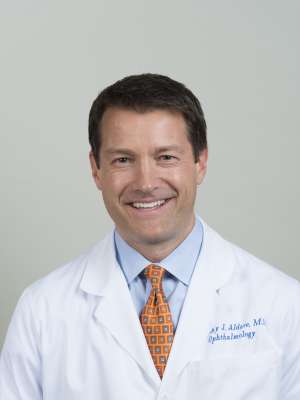
Anthony Aldave

Anthony Aldave

Professor

Corneal Dystrophies and Gene Therapy

Dr. Aldave's research focuses on the development of novel gene- and cell-based therapies for corneal dystrophies, a group of inherited disorders of the cornea. His laboratory combines clinical genetics with advanced molecular techniques to elucidate the genetic basis of the corneal dystrophies, and to identify target for therapeutic intervention.

Adrian Au

Adrian Au

Assistant Professor

Imaging, AI, and Retinal Genomics

Dr. Au’s research leverages advanced ophthalmic imaging, retinal genomics, and artificial intelligence to improve disease prognostication and identify novel therapeutic targets. His laboratory integrates large-scale imaging and genomic data using AI-driven approaches to advance precision care in retinal disease.

Aya Barzalay-Wollman

Aya Barzalay-Wollman

Assistant Professor

Robotic Microsurgery and Retinal Regeneration

Dr. Barzelay-Wollman develops advanced robotic systems for high-precision ophthalmic surgery, with a focus on retinal disease. Her research integrates microsurgical robotics, real-time imaging, and regenerative therapies to enable novel treatments—such as robotic delivery of stem cells, gene therapy, and intraocular drugs—for retinal degeneration and vascular disease.

Ava Bittner

Ava Bittner

Professor

Low Vision Rehabilitation

Dr. Bittner's research focuses on improving quality of life and visual ability for individuals with low vision through innovative rehabilitation strategies with visual aids and devices. She designs and leads the conduct of clinical trials involving assistive technologies and patient-centered approaches to advance low vision care.

Anne Coleman

Anne Coleman

Professor and Director

Public Health and Clinical Research in Ophthalmology

Dr. Coleman leads clinical research initiatives focused on population health, health policy, and clinical outcomes in ophthalmology. Her work combines epidemiological approaches with clinical research to improve eye care delivery and outcomes, particularly in underserved populations.

Joseph Demer

Joseph Demer

Professor

Ocular Motility

The Demer lab studies the neural and structural basis of eye movements, with application to the diagnosis and treatment of strabismus, and the role of eye movements in glaucoma and myopia. His work involves magnetic resonance and optical imaging, tissue biomechanics, and computational simulation.

Sophie Deng

Sophie Deng

Professor

Cornea

Dr. Deng's research focuses on corneal stem cell biology and regenerative medicine. Her work aims to develop novel diagnostic and therapeutic strategies for corneal diseases and injuries through stem cell-based approaches.

Gordon Fain

Gordon Fain

Professor

Photoreceptor Physiology

Dr. Fain's research focuses on the biophysical mechanisms of photoreceptor function and adaptation. His work has provided fundamental insights into how photoreceptors respond to light and adapt to different lighting conditions, contributing to our understanding of both normal vision and retinal disease.

Greg D. Field

Greg D. Field

Associate Professor In-Residence

Retinal Circuits and Vision

Dr. Field's laboratory focuses on understanding how neural circuits in the retina process visual information. His work combines electrophysiology, imaging, and computational approaches to decode the neural basis of vision at the cellular level.

Ben Glasgow

Ben Glasgow

Professor

Ophthalmic Pathology

Dr. Glasgow’s research focuses on the role of lipid and protein components in the molecular mechanisms of tear film formation. His laboratory combines biochemical and biophysical techniques to study dynamic interactions of these constituents in relation to dry eye diseases.

Kouros Nouri-Mahdavi

Kouros Nouri-Mahdavi

Professor

Glaucoma diagnostics and AI

Dr. Nouri-Mahdavi's research focuses on improving the assessment and management of glaucoma, particularly in understanding disease progression and optimizing diagnostic methodologies including AI approaches. He specializes in detection of disease progression in patients with advanced glaucoma and methods for detecting change over time. His work emphasizes the use of advanced statistical techniques and imaging technologies to enhance glaucoma care.

Yi-Rong Peng

Yi-Rong Peng

Assistant Professor In-Residence

Visual System Development and Degeneration

Dr. Peng investigates the cellular and molecular mechanisms that underly the formation and degeneration of the visual system. Her research uses multi-omics and bioinformatics tools to uncover the genetic basis of neural circuit development and degeneration.

Roxana A. Radu

Roxana A. Radu

Associate Professor In-Residence

Retina Biochemistry and Disease Modeling

Dr. Radu's research investigates retinal degenerative diseases by exploring the retinal pigment epithelium (RPE), a crucial cell layer supporting photoreceptors. Using advanced genetic, biochemical, and cell biological approaches, including induced pluripotent stem cells and mouse models, the laboratory examines molecular mechanisms driving RPE-photoreceptor dysfunction, with the goal of developing potential therapeutic interventions.

Alapakkam Sampath

Alapakkam Sampath

Professor

Phototransduction and Synaptic Transmission

Dr. Sampath’s focuses on understanding how rod and cone photoreceptors, and their retinal circuits, encode visual information. His lab uses advanced electrophysiological techniques to study mechanisms of signal detection and light adaptation. A more recent focus is in how physiological mechanisms compensate for photoreceptor loss during retinal degenerations.

Hui Sun

Hui Sun

Professor

Chemical Biology of Novel Membrane Receptors

Membrane receptors belong to the most successful therapeutic targets in disease treatment. The Sun lab has developed new techniques to discover novel membrane receptors and to identify their chemical modulators that can be potential drugs in treating major diseases that affect the eye and other organs.

Gabriel Travis

Gabriel Travis

Professor

Photoreceptor Biochemistry

Dr. Gabriel Travis studies the regeneration of opsin visual pigments in rod and cone photoreceptor cells. This enzymatic pathway involves multiple proteins. The genes for several of these proteins are affected in inherited photoreceptor degenerations that cause progressive blindness in humans.

Victoria Tseng

Victoria Tseng

Assistant Professor

Epidemiology and Public Health

Dr. Tseng's research examines risk factors and outcomes for eye diseases from a population-based perspective. Areas of interest include individual and structural level factors that influence glaucoma risk, and clinical and surgical quality of glaucoma care.

Edmund Tsui

Edmund Tsui

Associate Professor

Uveitis and Ocular Inflammation

Dr. Tsui specializes in the study and treatment of ocular inflammatory diseases. His research focuses on advanced imaging analysis and biomarker discovery in uveitis. He also leads multiple clinical trials aimed at developing innovative therapies for uveitis and other inflammatory eye conditions.

Irena Tsui

Irena Tsui

Associate Professor

Clinical Research in Retinal Disease

Dr. Tsui specializes in clinical research focused on retinal disease and oculomics. Her work combines clinical insights with optical coherence tomography angiography to evaluate systemic conditions, particularly in premature infants and pregnant women.

David Williams

David Williams

Professor In-Residence

Retinal Cell Biology

The Williams laboratory studies dynamic cellular events in photoreceptor and RPE cells, with the aim of understanding basic cellular functions within these highly specialized cells, as well as the underlying processes in retinal degenerations.

Xian-Jie Yang

Xian-Jie Yang

Professor In-Residence

Retinal Development and Gene Therapy

Dr. Yang studies retinal development and repair using molecular genetic approaches. Her research provides insight on cellular signaling mechanism involved in neuroprotection in retinal degenerative diseases. She also uses human stem cell-derived retinal organoids and neurons to model optic neuropathies and develop therapy.

Jie J. Zheng

Jie J. Zheng

Professor In-Residence

Therapeutic Development and AI-Powered Analysis in Vision Research

Dr. Zheng’s research combines chemical biology, cell biology, computational biology, systems pharmacology, and drug discovery to develop innovative therapies for ophthalmic diseases. Leveraging their multidisciplinary expertise, his laboratory focuses on translating research into novel treatments for glaucoma, retinal diseases, and corneal disorders. Additionally, they employ AI-driven protein-protein interaction analysis to investigate the mechanisms underlying different inherited retinal diseases.

Joel Zylberberg

Joel Zylberberg

Associate Professor In-Residence

Computational Neuroscience and Vision

Dr. Zylberberg's research combines theoretical and computational approaches to understand how neural circuits process visual information. His work focuses on developing mathematical models of visual processing and applying machine learning to analyze neural data.

Emeritus Faculty

Suraj Bhat

Suraj Bhat

Professor

Gene activity, lens development and vision

Description of research: Dr. Bhat’s research focuses on understanding the molecular basis of the biological transparency and refractive ability of the lens that allows a pinpoint focus of the incoming light without spherical aberration and scatter. His work entails characterization of gene activities by single cell transcriptomics in mouse paradigms and human lens epithelial samples from cataract surgeries.

Wayne L. Hubbell

Wayne L. Hubbell

Professor

Molecular Biophysics

Dr. Hubbell's research focuses on the development and application of site-directed spin labeling to investigate protein structure and dynamics. His pioneering work has provided crucial insights into the molecular mechanisms of vision and membrane protein function.