
Hui Sun Laboratory
Chemical Biology of Novel Membrane Receptors
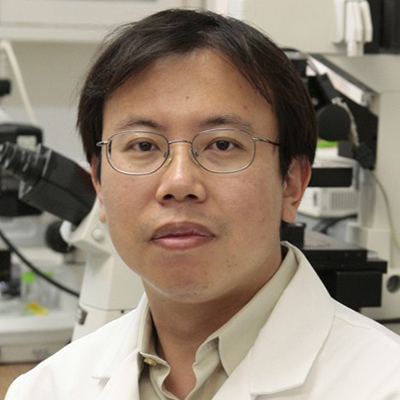
Hui Sun, Ph.D.
Professor
Departments of Physiology and Ophthalmology
Jules Stein Eye Institute
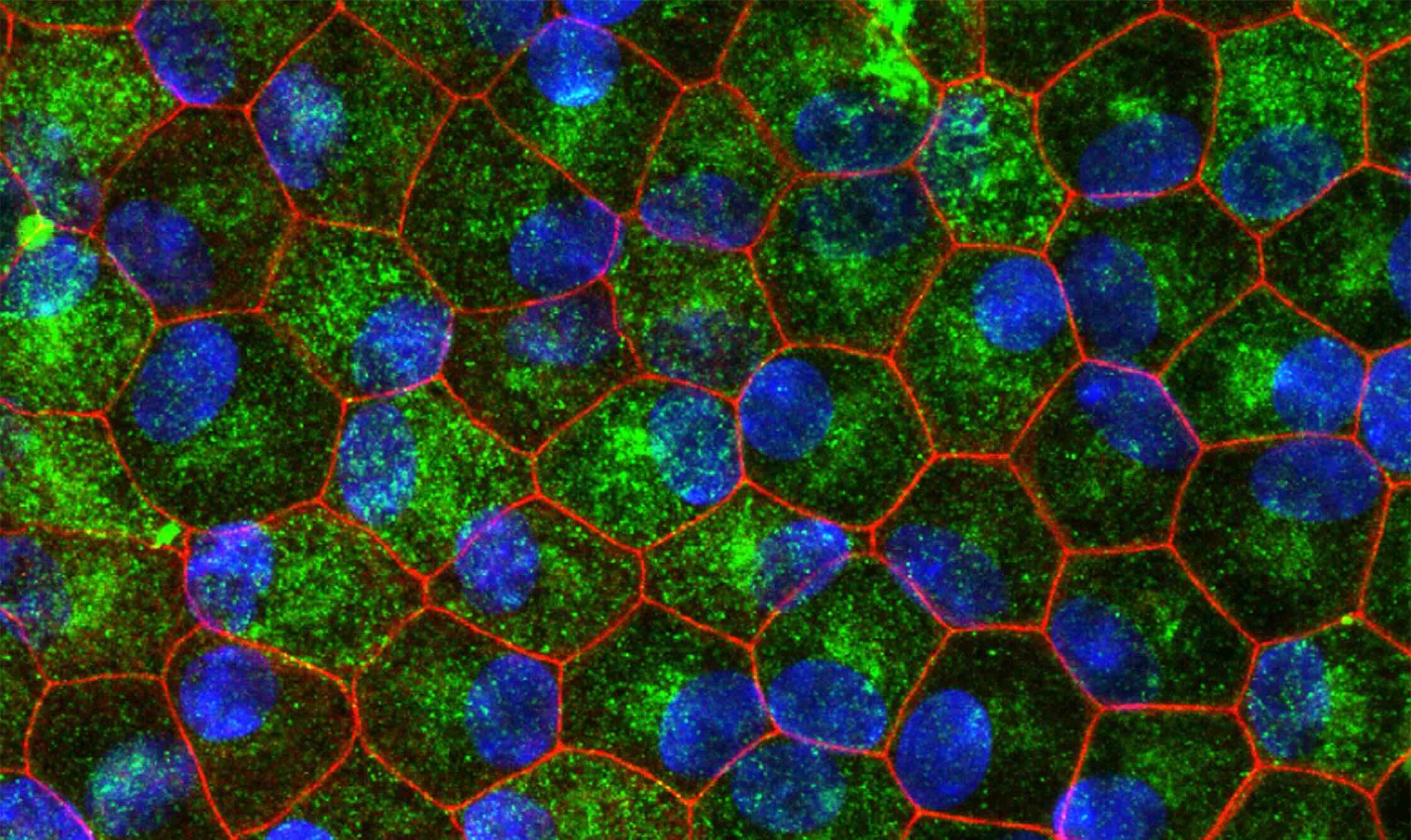
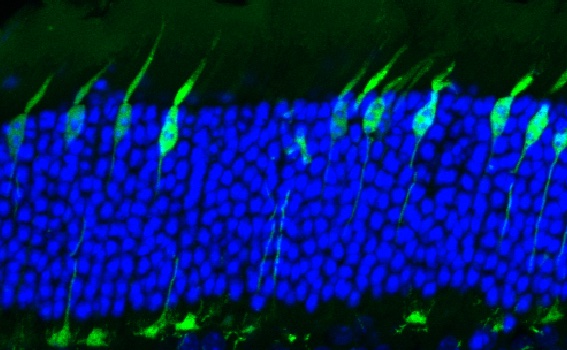
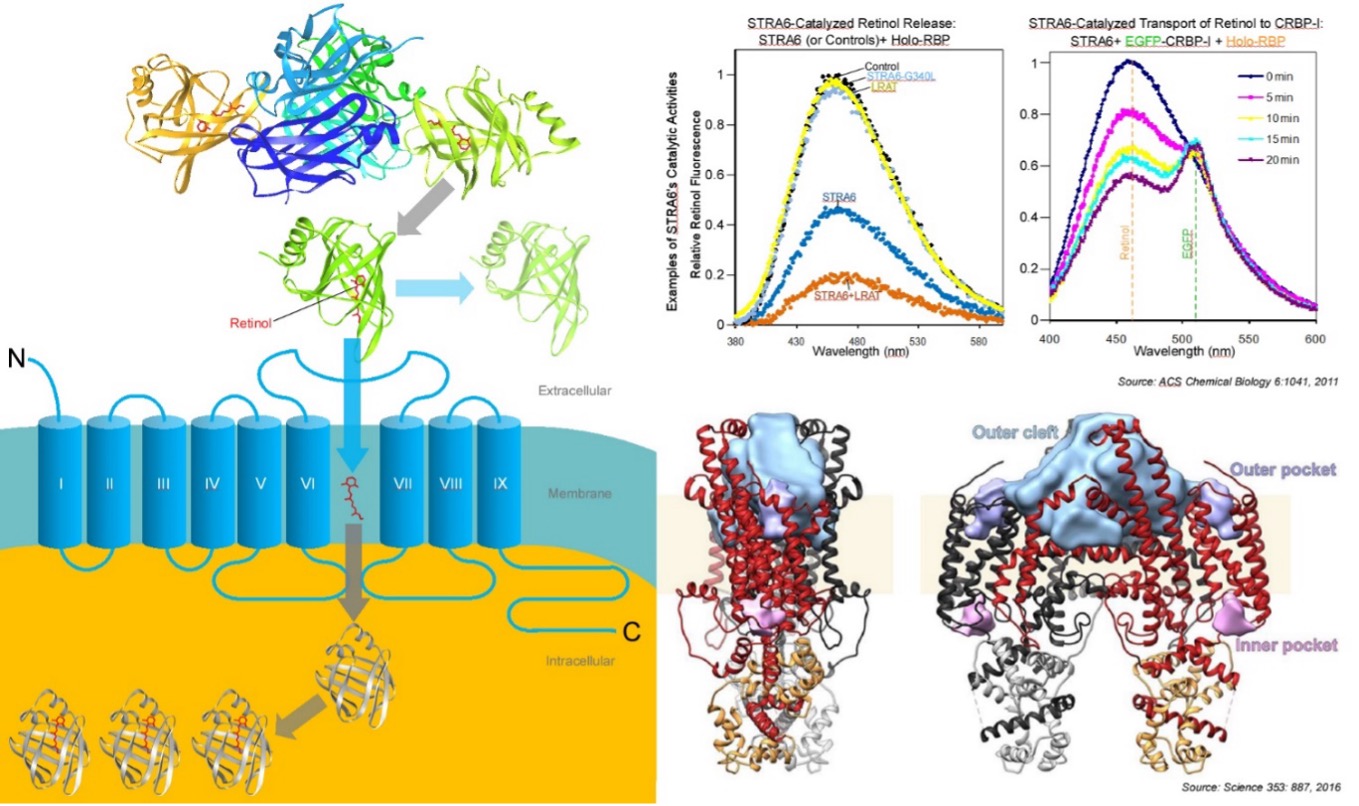
Many highly impactful medicines target membrane receptors (e.g., weight loss drug Ozempic and cancer drug anti-PD1). The Sun lab has devoted its efforts to the discovery, mechanistic study and identification of chemical modulators of novel membrane receptors that play important roles in physiology and diseases. The first endeavor is to elucidate the receptor mechanism that mediates cellular uptake of vitamin A, a multitasking chemical that is essential for human vision and human survival. We discovered this elusive membrane receptor using a novel technique and developed novel real-time monitoring techniques to study its molecular mechanism. We further identified potent small molecule modulators can potentially be used in treating human diseases caused by insufficient or excessive retinoid level (relevant disease areas include ophthalmology, dermatology, and oncology).
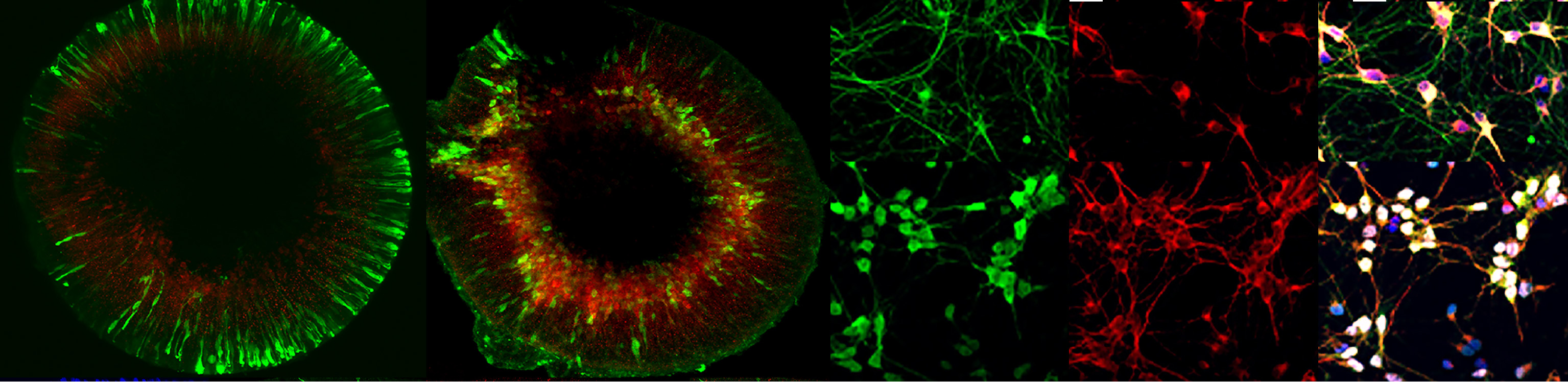
The second endeavor is to elucidate the molecular mechanism and to identify novel chemical agonists for a new type of membrane receptors highly enriched in pathogenic blood vessels. After several years of unbiased and large-scale screening, we identified the receptors of the most potent endogenous anti-angiogenic factor. These are the only proteins in the human genome that are known to confer cell-surface binding to the factor and to transduce its signal into the cells. Their highly specific expression in pathogenic blood vessels in vision diseases and tumors matches the therapeutic targets of the endogenous factor. By developing a novel fluorescence-based technique, we identified potent chemical compounds that target this receptor to specifically kill pathogenic blood vessels in vision disease and also tumor blood vessels to lead to effective tumor killing in vivo. In addition, we also developed a novel technique to screen for receptor-activating antibodies and successfully identified antibody drug candidates after large-scale screening 10 billion antibody clones. They are candidate drugs that can be used to treat a wide range of human diseases driven by pathogenic angiogenesis including major blinding diseases and diverse types of cancer.
Recent Publications
A single residue switch mediates the broad neutralization of Rotaviruses
Yang Huang, Feibo Song, Yuanjun Zeng, Hui Sun, Roufang Sheng, Xuechun Wang, Liqin Liu, Guoxing Luo, Yanan Jiang, Yaling Chen, Mengxuan Zhang, Shiyin Zhang, Ying Gu, Hai Yu, Shaowei Li, Tingdong Li, Qingbing Zheng, Shengxiang Ge, Jun Zhang, Ningshao Xia
Nature Communications (2025)
View PublicationA broadly neutralizing antibody confers cross-genus protection against alphaherpesviruses by inhibiting gB-mediated membrane fusion
Guosong Wang, Yu Li, Chongxin Wu, Tian Chen, Mengxuan Gui, Yue Zeng, Hui Sun, Kaiyun Chen, Xiangfeng Xi, Yanbo Yang, Yuchen Jiang, Yanan Jiang, Liqin Liu, Chengyu Yang, Jiarui Xin, Caihong Liu, Yiyi Li, Ningning Huo, Yang Huang, Lina Lin, Hai Yu, Chenghao Huang, Quan Yuan, Shaowei Li, Kegong Tian, Qingbing Zheng, Ningshao Xia, Yixin Chen
Nature Communications (2025)
View PublicationTwo antibodies show broad, synergistic neutralization against SARS-CoV-2 variants by inducing conformational change within the RBD
Hui Sun, Tingting Deng, Yali Zhang, Yanling Lin, Yanan Jiang, Yichao Jiang, Yang Huang, Shuo Song, Lingyan Cui, Tingting Li, Hualong Xiong, Miaolin Lan, Liqin Liu, Yu Li, Qianjiao Fang, Kunyu Yu, Wenling Jiang, Lizhi Zhou, Yuqiong Que, Tianying Zhang, Quan Yuan, Tong Cheng, Zheng Zhang, Hai Yu, Jun Zhang, Wenxin Luo, Shaowei Li, Qingbing Zheng, Ying Gu, Ningshao Xia
Protein & Cell (2024)
View PublicationStructural insight into broadening SARS-CoV-2 neutralization by an antibody cocktail harbouring both NTD and RBD potent antibodies
Wenling Jiang, Yanan Jiang, Hui Sun, Tingting Deng, Kunyu Yu, Qianjiao Fang, Huimin Ge, Miaoling Lan, Yanling Lin, Zhongyue Fang, Yali Zhang, Lizhi Zhou, Tingting Li, Hai Yu, Qingbing Zheng, Shaowei Li, Ningshao Xia, Ying Gu
Emerging Microbes & Infections (2024)
View PublicationStructural basis for broad neutralization of human antibody against Omicron sublineages and evasion by XBB variant
Hui Sun, Yizhen Wang, Xiuting Chen, Yanan Jiang, Siling Wang, Yang Huang, Liqin Liu, Yu Li, Miaolin Lan, Huilin Guo, Quan Yuan, Yali Zhang, Tingting Li, Hai Yu, Ying Gu, Jun Zhang, Shaowei Li, Zizheng Zheng, Qingbing Zheng, Ningshao Xia
Journal of Virology (2023)
View Publication