Therapeutics and Regeneration
Finding cures for vision loss
Research Focus
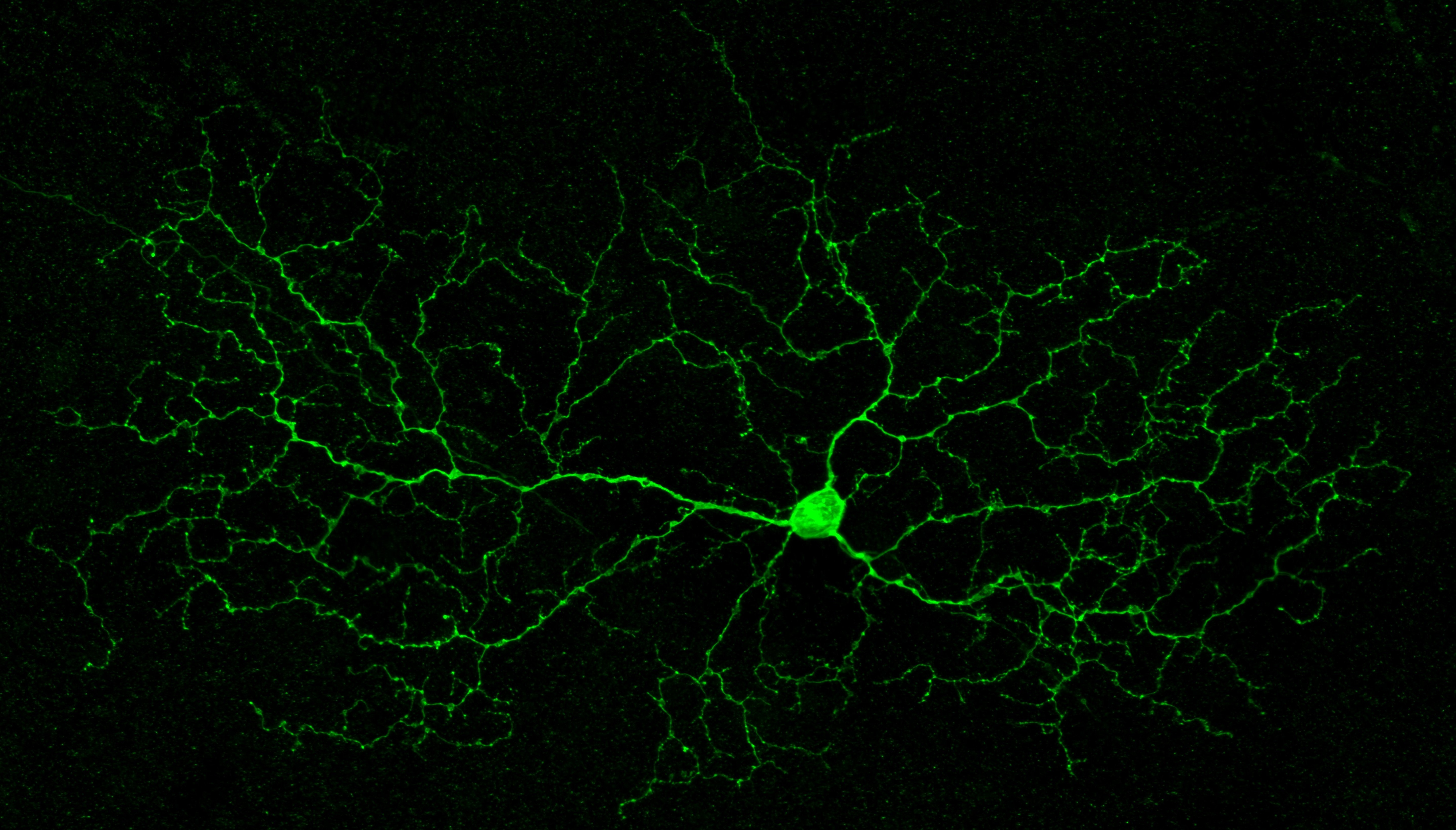
Curing blindness and vision loss requires halting the disease and regenerating or repairing the damaged tissues. These labs pursue innovative approaches from gene therapies to pharmaceutical treatments for vision loss.
Key Research Areas:
- Gene therapies
- Transplantation
- Stem Cells
Faculty
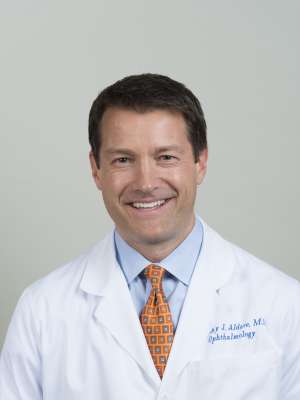
Anthony Aldave
Professor
Corneal Dystrophies and Gene Therapy
Dr. Aldave's research focuses on the development of novel gene- and cell-based therapies for corneal dystrophies, a group of inherited disorders of the cornea. His laboratory combines clinical genetics with advanced molecular techniques to elucidate the genetic basis of the corneal dystrophies, and to identify target for therapeutic intervention.
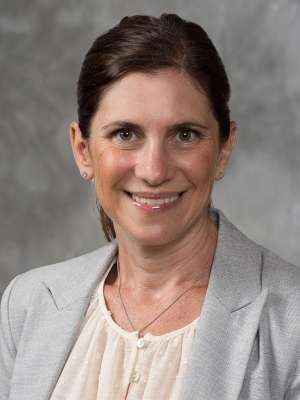
Aya Barzelay-Wollman
Assistant Professor
Robotic Microsurgery and Retinal Regeneration
Dr. Barzelay-Wollman develops advanced robotic systems for high-precision ophthalmic surgery, with a focus on retinal disease. Her research integrates microsurgical robotics, real-time imaging, and regenerative therapies to enable novel treatments—such as robotic delivery of stem cells, gene therapy, and intraocular drugs—for retinal degeneration and vascular disease.

Sophie Deng
Professor
Cornea
Dr. Deng's research focuses on corneal stem cell biology and regenerative medicine. Her work aims to develop novel diagnostic and therapeutic strategies for corneal diseases and injuries through stem cell-based approaches.
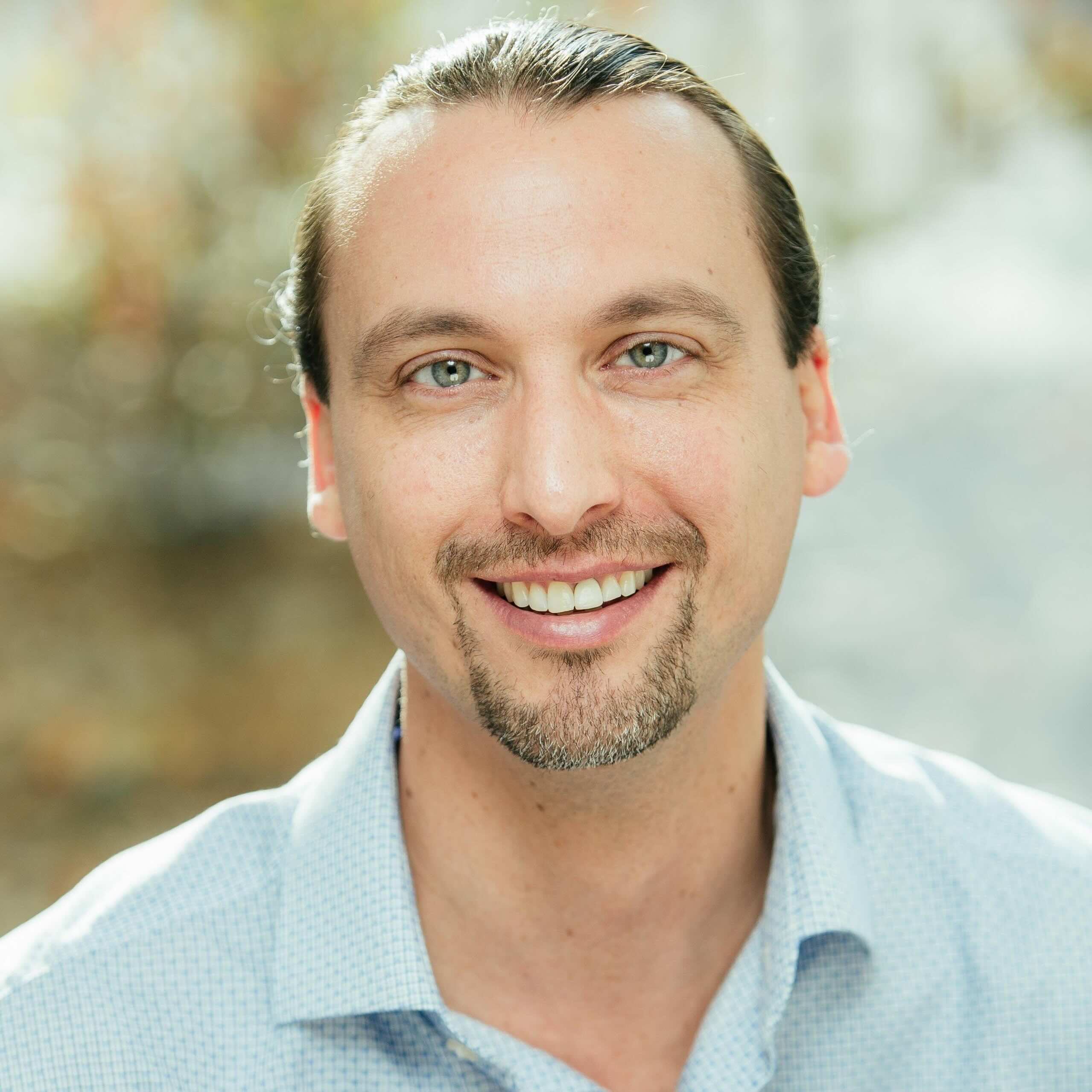
Greg D. Field
Associate Professor In-Residence
Retinal Circuits and Vision
Dr. Field's laboratory focuses on understanding how neural circuits in the retina process visual information. His work combines electrophysiology, imaging, and computational approaches to decode the neural basis of vision at the cellular level.
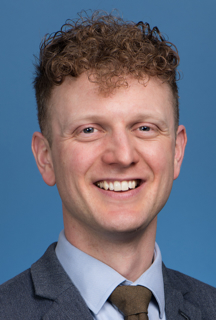
Michael J Gilhooley
Assistant Professor in Residence
Optic Neuropathies and Circadian Biology
Dr. Gilhooley's laboratory focuses on intrinsically photosensitive retinal ganglion cells (ipRGCs) in the context of mitochondrial optic neuropathies such as Leber Hereditary Optic Neuropathy (LHON) and Dominant Optic Atrophy (DOA / OPA1). He aims to uncover why ipRGCs are selectively spared in these diseases with the goal of harnessing this resilience to develop neuroprotective therapies.
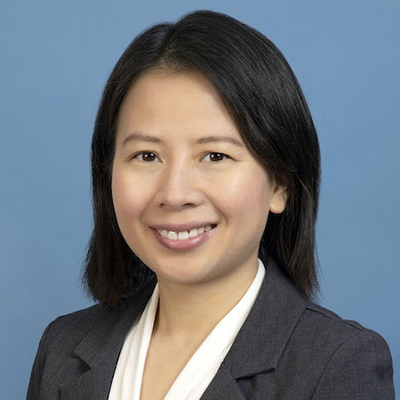
Yi-Rong Peng
Assistant Professor In-Residence
Visual System Development and Degeneration
Dr. Peng investigates the cellular and molecular mechanisms that underly the formation and degeneration of the visual system. Her research uses multi-omics and bioinformatics tools to uncover the genetic basis of neural circuit development and degeneration.
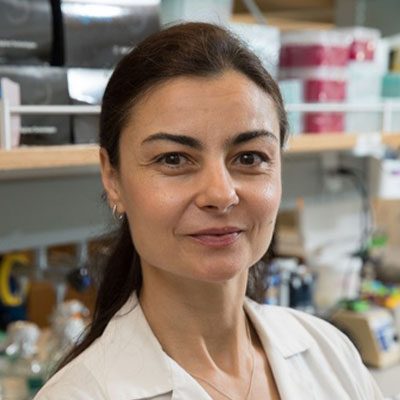
Roxana A. Radu
Associate Professor In-Residence
Retina Biochemistry and Disease Modeling
Dr. Radu's research investigates retinal degenerative diseases by exploring the retinal pigment epithelium (RPE), a crucial cell layer supporting photoreceptors. Using advanced genetic, biochemical, and cell biological approaches, including induced pluripotent stem cells and mouse models, the laboratory examines molecular mechanisms driving RPE-photoreceptor dysfunction, with the goal of developing potential therapeutic interventions.
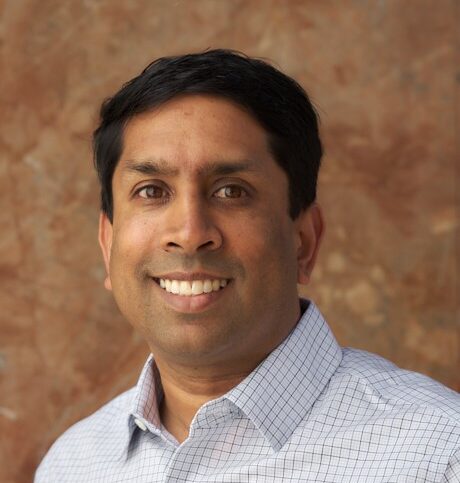
Alapakkam Sampath
Professor
Phototransduction and Synaptic Transmission
Dr. Sampath’s focuses on understanding how rod and cone photoreceptors, and their retinal circuits, encode visual information. His lab uses advanced electrophysiological techniques to study mechanisms of signal detection and light adaptation. A more recent focus is in how physiological mechanisms compensate for photoreceptor loss during retinal degenerations.
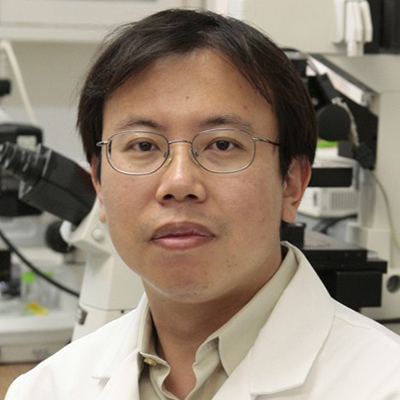
Hui Sun
Professor
Chemical Biology of Novel Membrane Receptors
Membrane receptors belong to the most successful therapeutic targets in disease treatment. The Sun lab has developed new techniques to discover novel membrane receptors and to identify their chemical modulators that can be potential drugs in treating major diseases that affect the eye and other organs.
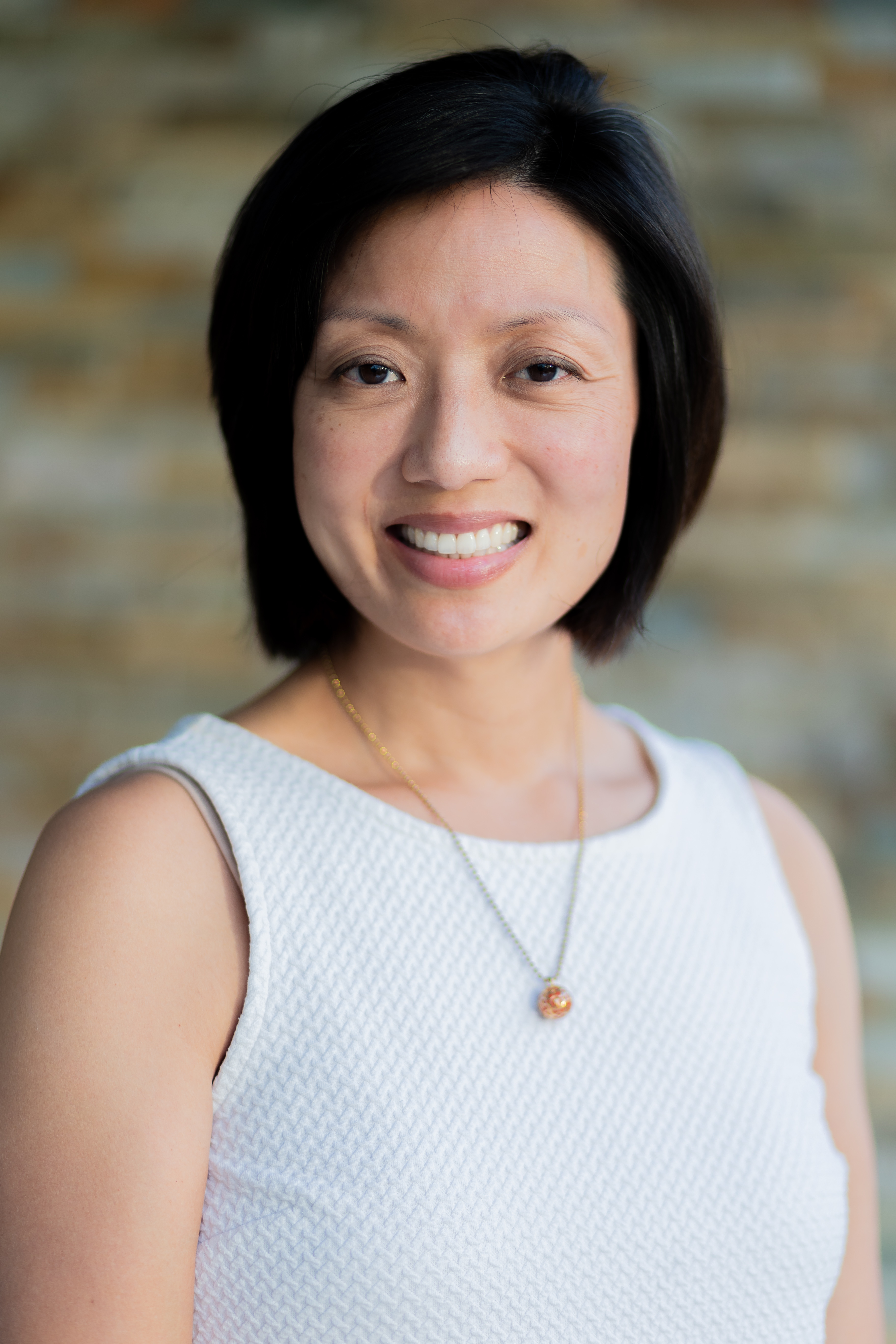
Irena Tsui
Associate Professor
Clinical Research in Retinal Disease
Dr. Tsui specializes in clinical research focused on retinal disease and oculomics. Her work combines clinical insights with optical coherence tomography angiography to evaluate systemic conditions, particularly in premature infants and pregnant women.

David Williams
Professor In-Residence
Retinal Cell Biology
The Williams laboratory studies dynamic cellular events in photoreceptor and RPE cells, with the aim of understanding basic cellular functions within these highly specialized cells, as well as the underlying processes in retinal degenerations.
Xian-Jie Yang
Professor In-Residence
Retinal Development and Gene Therapy
Dr. Yang studies retinal development and repair using molecular genetic approaches. Her research provides insight on cellular signaling mechanism involved in neuroprotection in retinal degenerative diseases. She also uses human stem cell-derived retinal organoids and neurons to model optic neuropathies and develop therapy.
Jie J. Zheng
Professor In-Residence
Therapeutic Development and AI-Powered Analysis in Vision Research
Dr. Zheng’s research combines chemical biology, cell biology, computational biology, systems pharmacology, and drug discovery to develop innovative therapies for ophthalmic diseases. Leveraging their multidisciplinary expertise, his laboratory focuses on translating research into novel treatments for glaucoma, retinal diseases, and corneal disorders. Additionally, they employ AI-driven protein-protein interaction analysis to investigate the mechanisms underlying different inherited retinal diseases.