Visual Neuroscience
Understanding how neurons respond to and signal visual stimuli and how the brain and muscles control eye movements
Research Focus
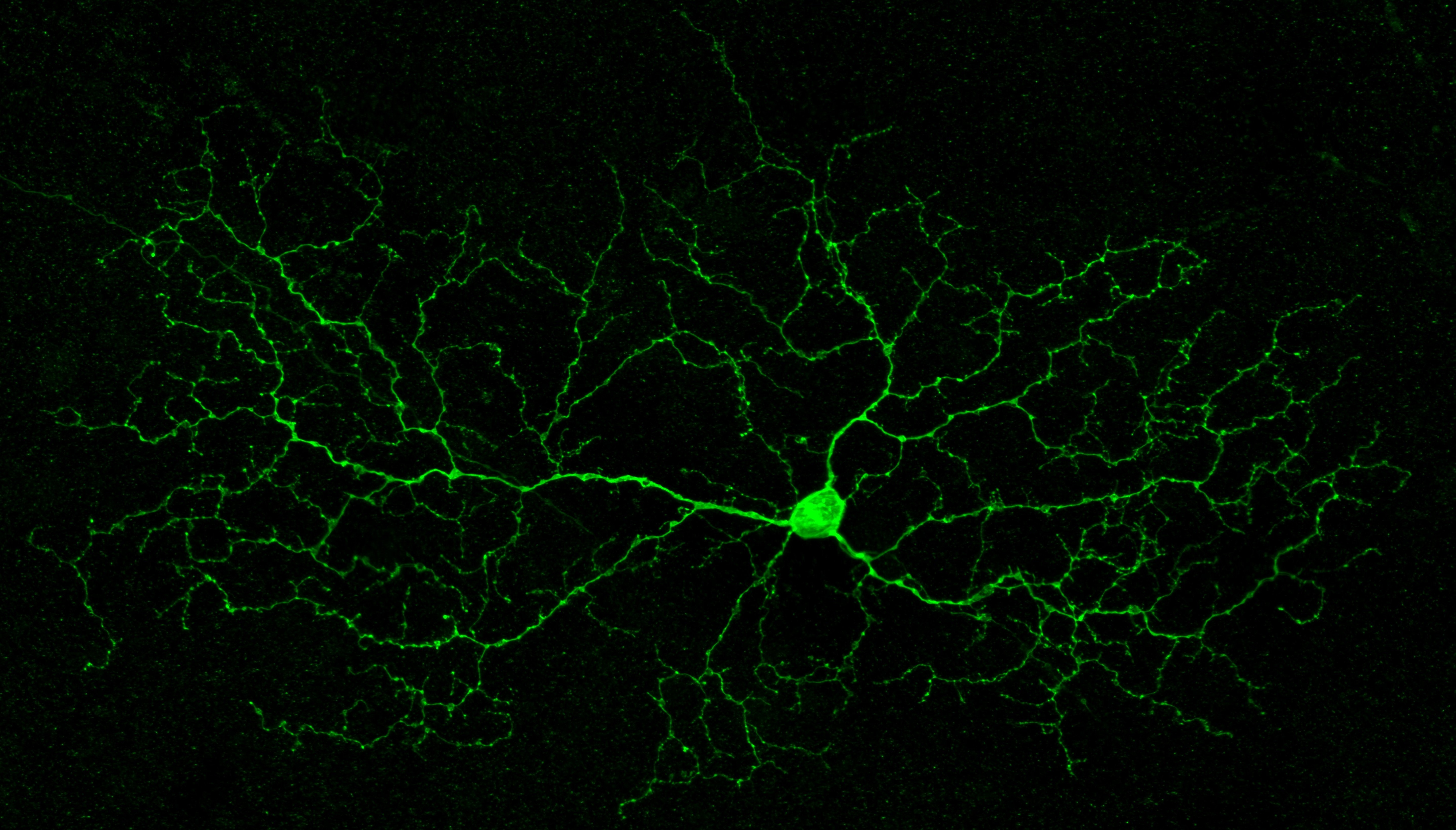
Much of the human brain is devoted to vision and the retina is part of the brain. These labs aim to understand how the operation of the neurons that comprise the visual system produce our ability to see.
Key Research Areas:
- Circuit mapping in the retina and brain
- SVisual information processing
- Synaptic transmission
Faculty

Joseph Demer
Professor
Ocular Motility
The Demer lab studies the neural and structural basis of eye movements, with application to the diagnosis and treatment of strabismus, and the role of eye movements in glaucoma and myopia. His work involves magnetic resonance and optical imaging, tissue biomechanics, and computational simulation.
Gordon Fain
Professor
Photoreceptor Physiology
Dr. Fain's research focuses on the biophysical mechanisms of photoreceptor function and adaptation. His work has provided fundamental insights into how photoreceptors respond to light and adapt to different lighting conditions, contributing to our understanding of both normal vision and retinal disease.
Greg D. Field
Associate Professor In-Residence
Retinal Circuits and Vision
Dr. Field's laboratory focuses on understanding how neural circuits in the retina process visual information. His work combines electrophysiology, imaging, and computational approaches to decode the neural basis of vision at the cellular level.
Michael J Gilhooley
Assistant Professor in Residence
Optic Neuropathies and Circadian Biology
Dr. Gilhooley's laboratory focuses on intrinsically photosensitive retinal ganglion cells (ipRGCs) in the context of mitochondrial optic neuropathies such as Leber Hereditary Optic Neuropathy (LHON) and Dominant Optic Atrophy (DOA / OPA1). He aims to uncover why ipRGCs are selectively spared in these diseases with the goal of harnessing this resilience to develop neuroprotective therapies.

Yi-Rong Peng
Assistant Professor In-Residence
Visual System Development and Degeneration
Dr. Peng investigates the cellular and molecular mechanisms that underly the formation and degeneration of the visual system. Her research uses multi-omics and bioinformatics tools to uncover the genetic basis of neural circuit development and degeneration.
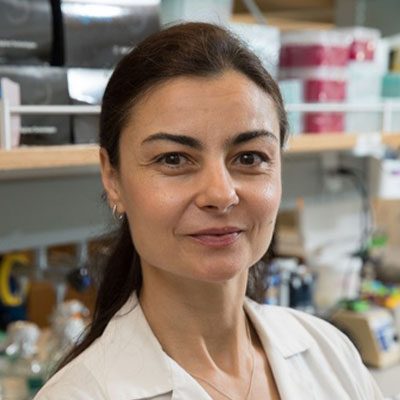
Roxana A. Radu
Associate Professor In-Residence
Retina Biochemistry and Disease Modeling
Dr. Radu's research investigates retinal degenerative diseases by exploring the retinal pigment epithelium (RPE), a crucial cell layer supporting photoreceptors. Using advanced genetic, biochemical, and cell biological approaches, including induced pluripotent stem cells and mouse models, the laboratory examines molecular mechanisms driving RPE-photoreceptor dysfunction, with the goal of developing potential therapeutic interventions.

Alapakkam Sampath
Professor
Phototransduction and Synaptic Transmission
Dr. Sampath’s focuses on understanding how rod and cone photoreceptors, and their retinal circuits, encode visual information. His lab uses advanced electrophysiological techniques to study mechanisms of signal detection and light adaptation. A more recent focus is in how physiological mechanisms compensate for photoreceptor loss during retinal degenerations.

Xian-Jie Yang
Professor In-Residence
Retinal Development and Gene Therapy
Dr. Yang studies retinal development and repair using molecular genetic approaches. Her research provides insight on cellular signaling mechanism involved in neuroprotection in retinal degenerative diseases. She also uses human stem cell-derived retinal organoids and neurons to model optic neuropathies and develop therapy.
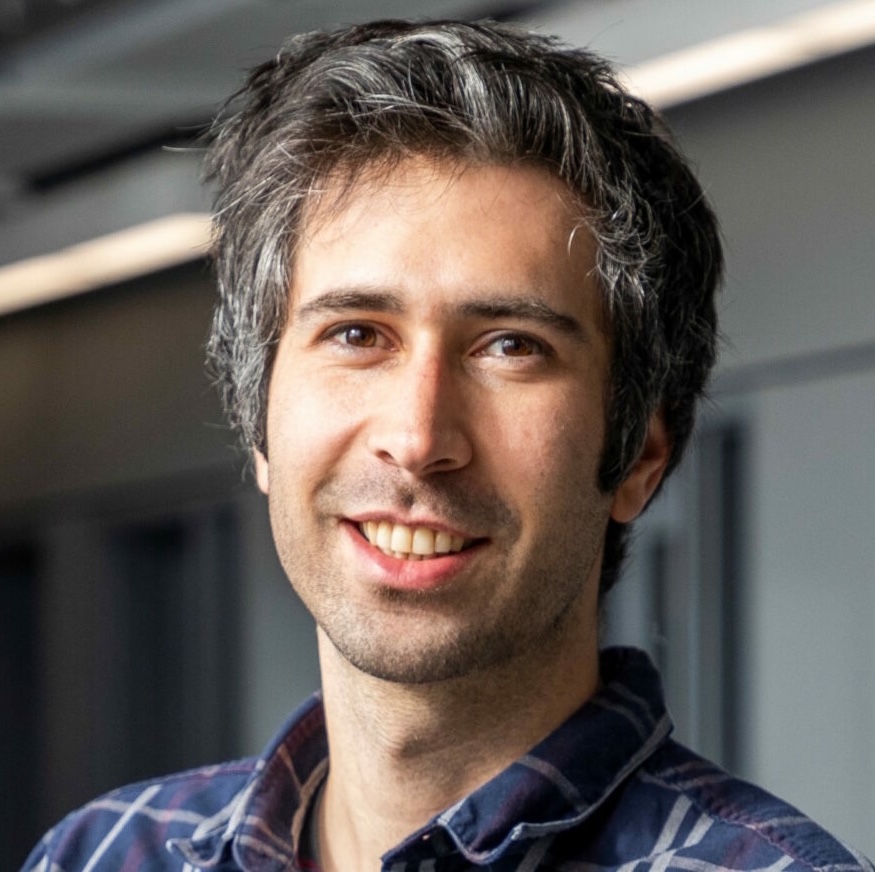
Joel Zylberberg
Associate Professor In-Residence
Computational Neuroscience and Vision
Dr. Zylberberg's research combines theoretical and computational approaches to understand how neural circuits process visual information. His work focuses on developing mathematical models of visual processing and applying machine learning to analyze neural data.