Bioinformatics and Population Health
Finding the factors that underly eye disease
Research Focus
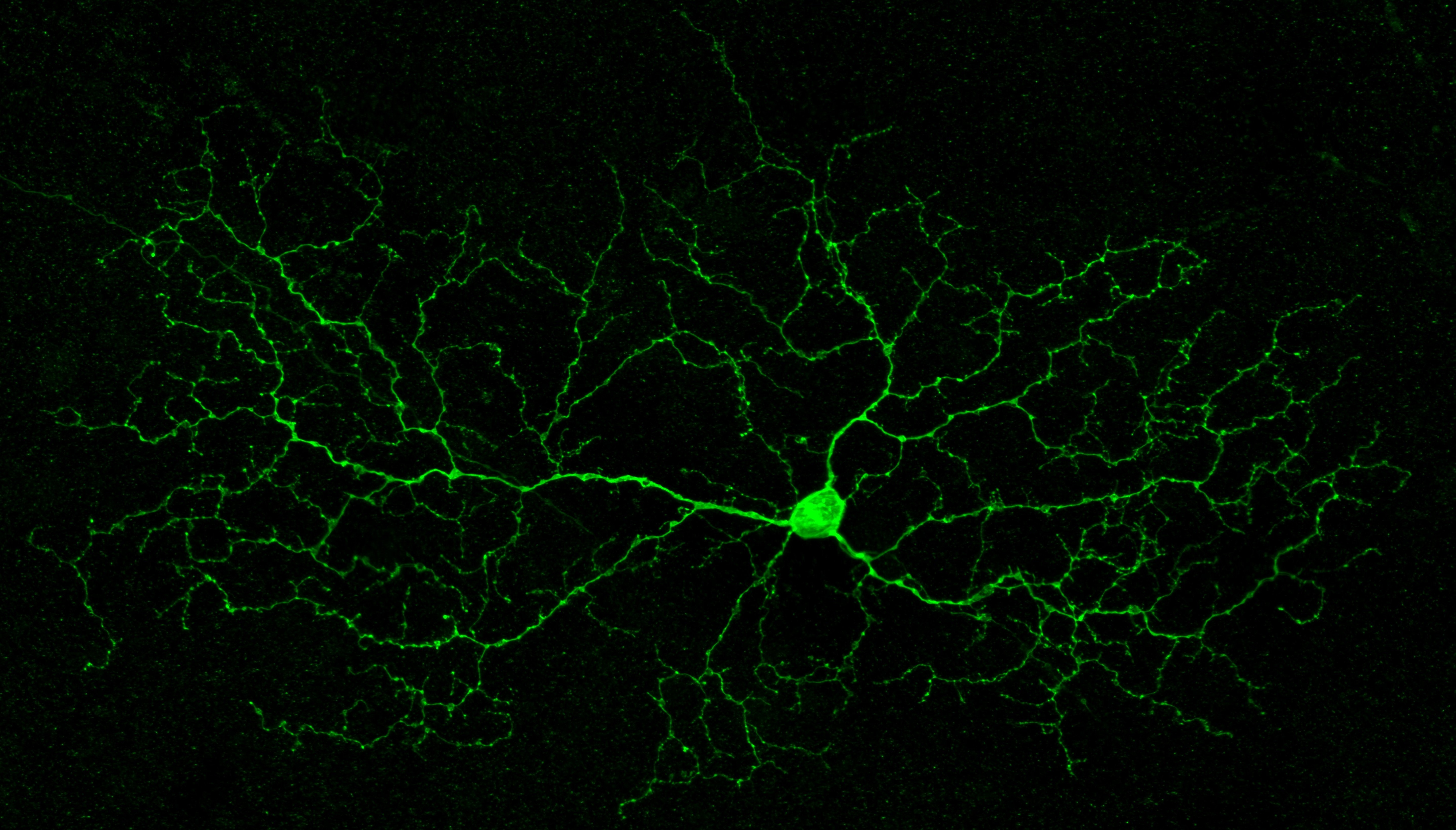
Genetics and environmental factors shape the landscape and prevalence of eye conditions and diseases. These labs seek to understand these genetic and environemental factors to better target diagnostics and treatments to individuals and communities.
Key Research Areas:
- Disease Genetics
- Epidemiology
- Genomics, transcriptomics, and proteomics
Faculty
Anthony Aldave
Professor
Corneal Dystrophies and Gene Therapy
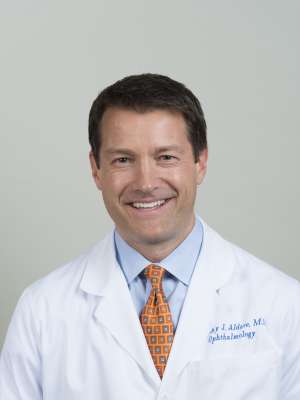
Dr. Aldave's research focuses on the development of novel gene- and cell-based therapies for corneal dystrophies, a group of inherited disorders of the cornea. His laboratory combines clinical genetics with advanced molecular techniques to elucidate the genetic basis of the corneal dystrophies, and to identify target for therapeutic intervention.
Adrian Au
Assistant Professor
Imaging, AI, and Retinal Genomics
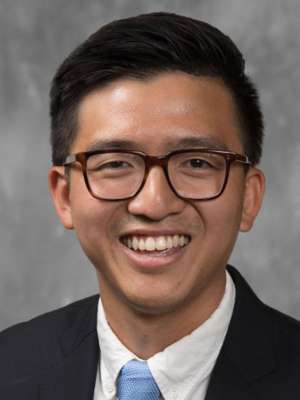
Dr. Au’s research leverages advanced ophthalmic imaging, retinal genomics, and artificial intelligence to improve disease prognostication and identify novel therapeutic targets. His laboratory integrates large-scale imaging and genomic data using AI-driven approaches to advance precision care in retinal disease.

Anne Coleman
Professor and Director
Public Health and Clinical Research in Ophthalmology
Dr. Coleman leads clinical research initiatives focused on population health, health policy, and clinical outcomes in ophthalmology. Her work combines epidemiological approaches with clinical research to improve eye care delivery and outcomes, particularly in underserved populations.

Yi-Rong Peng
Assistant Professor In-Residence
Visual System Development and Degeneration
Dr. Peng investigates the cellular and molecular mechanisms that underly the formation and degeneration of the visual system. Her research uses multi-omics and bioinformatics tools to uncover the genetic basis of neural circuit development and degeneration.
Roxana A. Radu
Associate Professor In-Residence
Retina Biochemistry and Disease Modeling
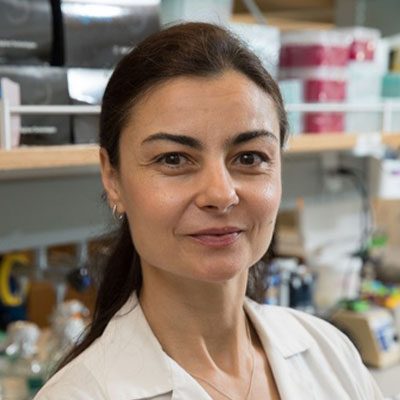
Dr. Radu's research investigates retinal degenerative diseases by exploring the retinal pigment epithelium (RPE), a crucial cell layer supporting photoreceptors. Using advanced genetic, biochemical, and cell biological approaches, including induced pluripotent stem cells and mouse models, the laboratory examines molecular mechanisms driving RPE-photoreceptor dysfunction, with the goal of developing potential therapeutic interventions.

Victoria Tseng
Assistant Professor
Epidemiology and Public Health
Dr. Tseng's research examines risk factors and outcomes for eye diseases from a population-based perspective. Areas of interest include individual and structural level factors that influence glaucoma risk, and clinical and surgical quality of glaucoma care.

Jie J. Zheng
Professor In-Residence
Therapeutic Development and AI-Powered Analysis in Vision Research
Dr. Zheng’s research combines chemical biology, cell biology, computational biology, systems pharmacology, and drug discovery to develop innovative therapies for ophthalmic diseases. Leveraging their multidisciplinary expertise, his laboratory focuses on translating research into novel treatments for glaucoma, retinal diseases, and corneal disorders. Additionally, they employ AI-driven protein-protein interaction analysis to investigate the mechanisms underlying different inherited retinal diseases.