Artificial Intelligence and Robotics
Using machine learning and robotics to advance knowledge and clinical practice
Research Focus
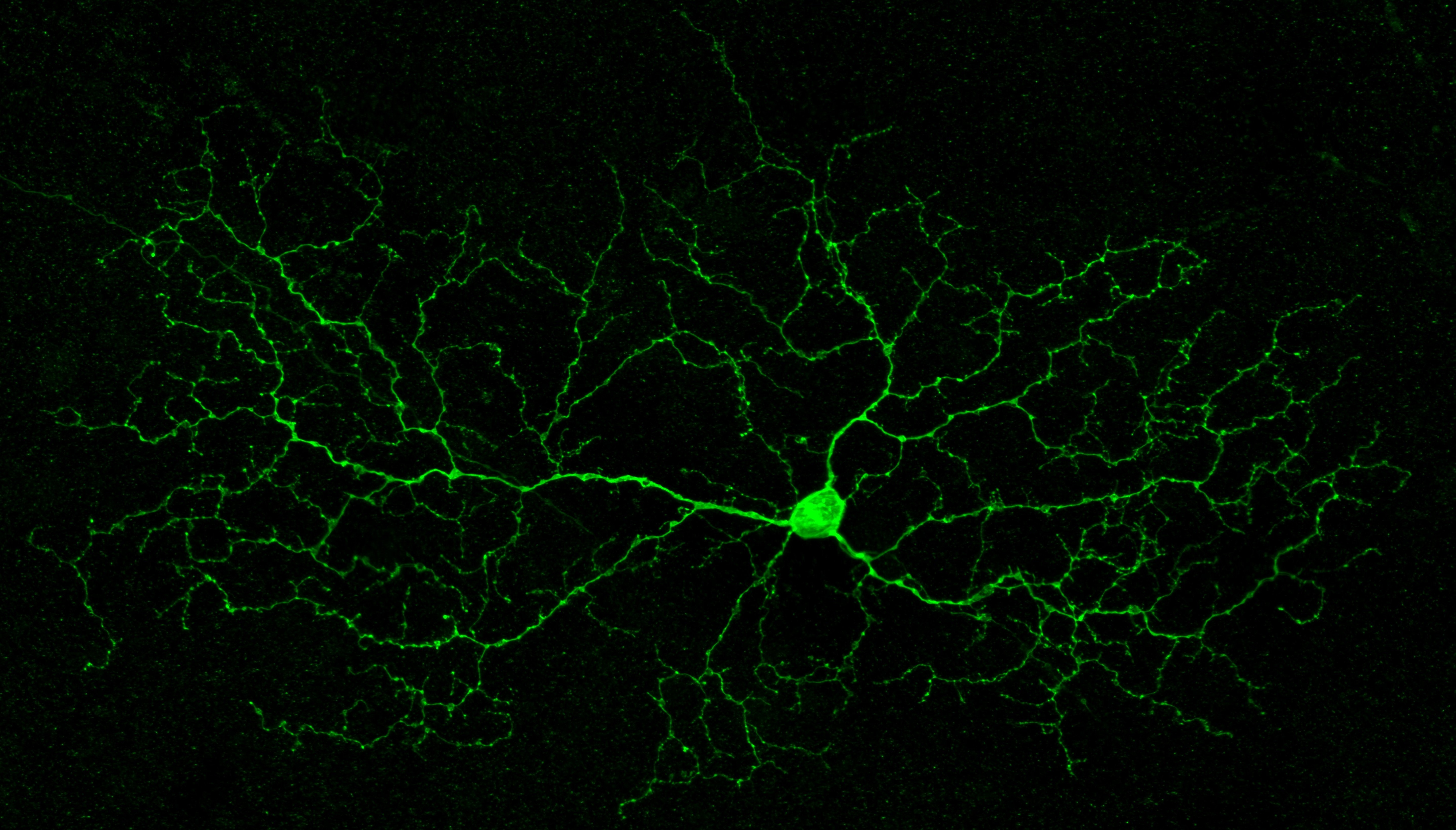
Twenty-first century science may ultimately be known as the age of big data. These labs utilize the latest approaches from bioinformatics, biostatistics, and machine learning, to understand and model the processes that underly these data.
Key Research Areas:
- Neural network models
- Machine learning
- 'Digital Twins'
Faculty
Aya Barzelay-Wollman
Assistant Professor
Robotic Microsurgery and Retinal Regeneration
Dr. Barzelay-Wollman develops advanced robotic systems for high-precision ophthalmic surgery, with a focus on retinal disease. Her research integrates microsurgical robotics, real-time imaging, and regenerative therapies to enable novel treatments—such as robotic delivery of stem cells, gene therapy, and intraocular drugs—for retinal degeneration and vascular disease.
Sophie Deng
Professor
Cornea
Dr. Deng's research focuses on corneal stem cell biology and regenerative medicine. Her work aims to develop novel diagnostic and therapeutic strategies for corneal diseases and injuries through stem cell-based approaches.
Greg D. Field
Associate Professor In-Residence
Retinal Circuits and Vision
Dr. Field's laboratory focuses on understanding how neural circuits in the retina process visual information. His work combines electrophysiology, imaging, and computational approaches to decode the neural basis of vision at the cellular level.
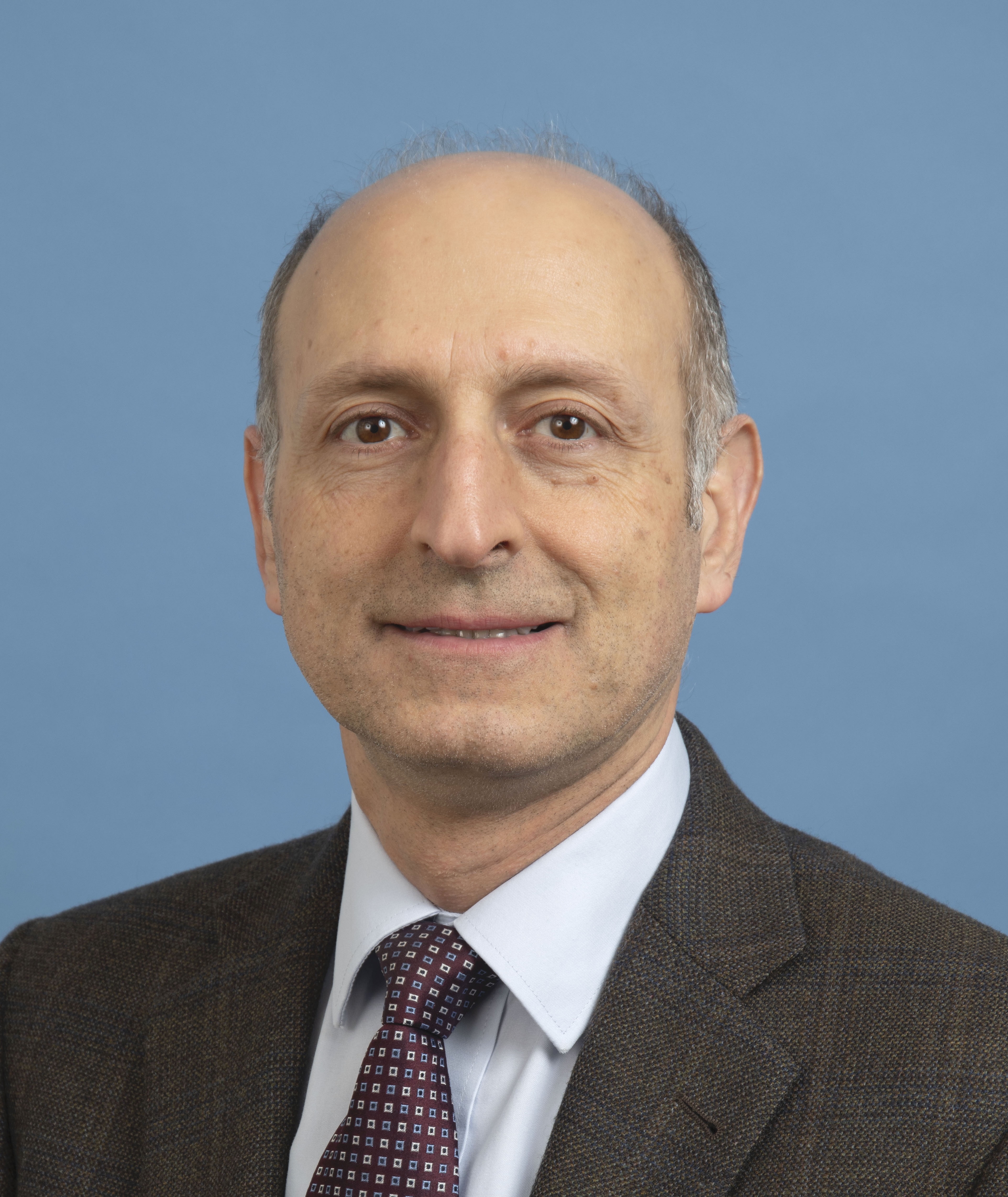
Kouros Nouri-Mahdavi
Professor
Glaucoma diagnostics and AI
Dr. Nouri-Mahdavi's research focuses on improving the assessment and management of glaucoma, particularly in understanding disease progression and optimizing diagnostic methodologies including AI approaches. He specializes in detection of disease progression in patients with advanced glaucoma and methods for detecting change over time. His work emphasizes the use of advanced statistical techniques and imaging technologies to enhance glaucoma care.
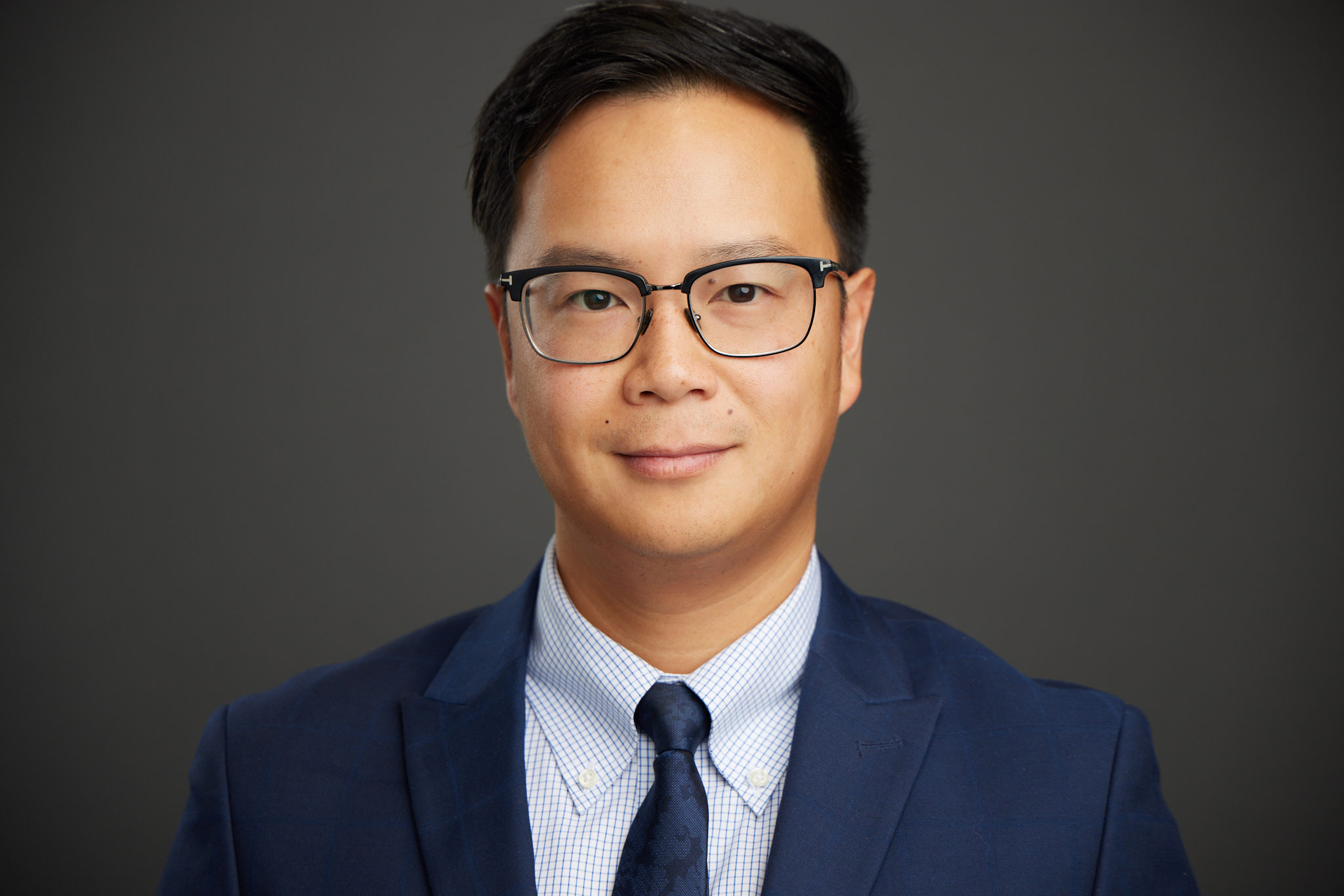
Edmund Tsui
Associate Professor
Uveitis and Ocular Inflammation
Dr. Tsui specializes in the study and treatment of ocular inflammatory diseases. His research focuses on advanced imaging analysis and biomarker discovery in uveitis. He also leads multiple clinical trials aimed at developing innovative therapies for uveitis and other inflammatory eye conditions.
Jie J. Zheng
Professor In-Residence
Therapeutic Development and AI-Powered Analysis in Vision Research
Dr. Zheng’s research combines chemical biology, cell biology, computational biology, systems pharmacology, and drug discovery to develop innovative therapies for ophthalmic diseases. Leveraging their multidisciplinary expertise, his laboratory focuses on translating research into novel treatments for glaucoma, retinal diseases, and corneal disorders. Additionally, they employ AI-driven protein-protein interaction analysis to investigate the mechanisms underlying different inherited retinal diseases.
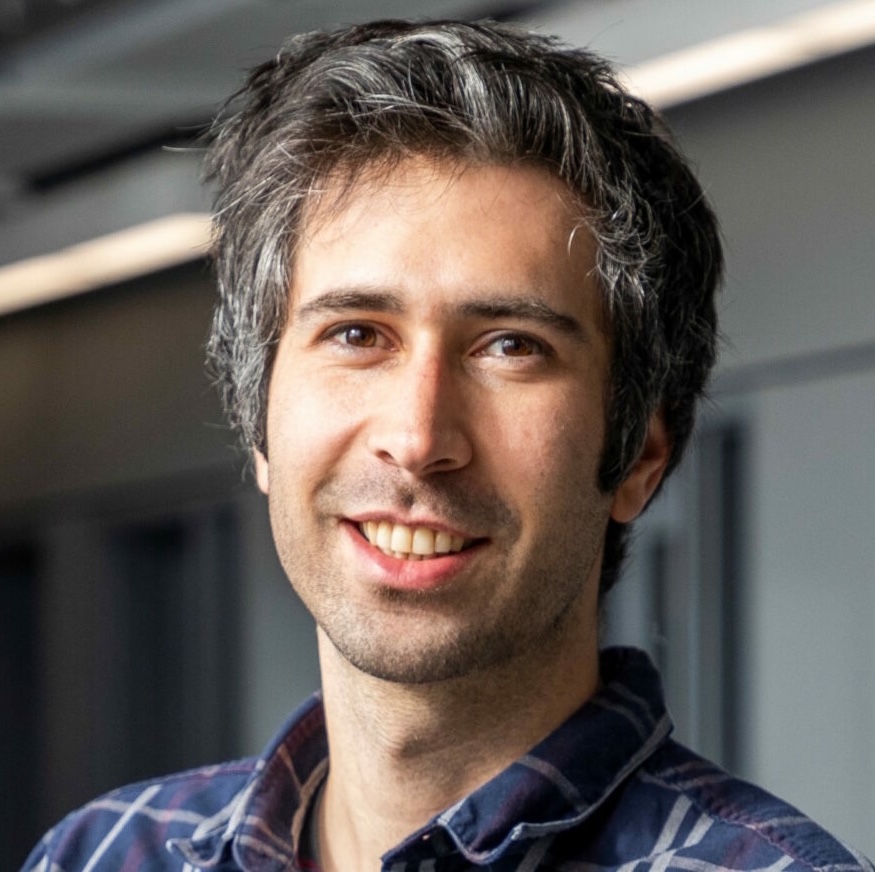
Joel Zylberberg
Associate Professor In-Residence
Computational Neuroscience and Vision
Dr. Zylberberg's research combines theoretical and computational approaches to understand how neural circuits process visual information. His work focuses on developing mathematical models of visual processing and applying machine learning to analyze neural data.